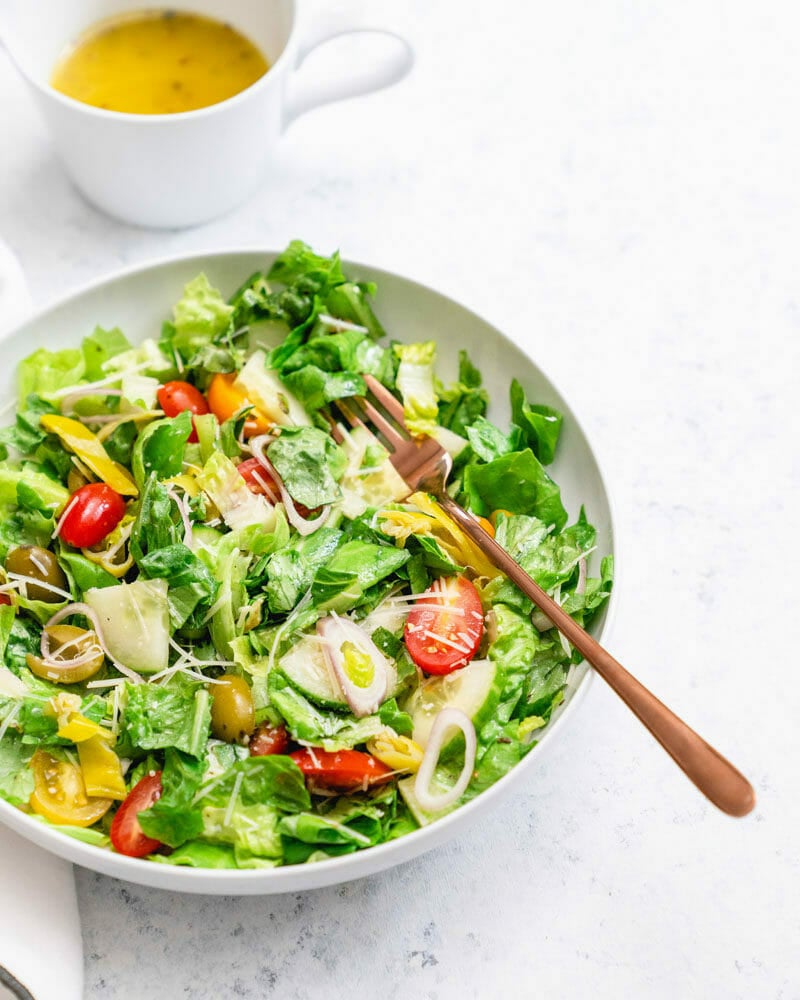
Highly-Rated Chopped Salad Formula
This simple chopped salad recipe showcases homemade Italian dressing, fresh veggies, and Parmesan cheese, making it the perfect side dish. Ready in merely 20 minutes with incredible flavor!
Seeking a side salad to complement all your meals? I’m always searching for an excellent green salad. Allow me to introduce my favorite chopped salad recipe.
It’s elegant and refined. It begins with my made-from-scratch Italian dressing: tangy, flavorful, and herby. Included are shallots, tomatoes, cucumber, and a kick from pepperoncini. Parmesan cheese brings it all together. Every time I present this to friends or family, they request the recipe (seriously!).
Why This Chopped Salad Recipe Is a Winner
Without exception, when I serve this salad at a dinner gathering, people inquire: Wow! What’s in this salad? That’s when you know a recipe is a keeper!
I’ve tried numerous salad recipes throughout the years, and this one has turned into a family and reader favorite. The magic lies in my vibrant homemade Italian dressing recipe combined with just the right selection of crunchy vegetables and pepperoncini. Here’s what some readers have said:
5 Star Reader Testimonials
⭐⭐⭐⭐⭐ “I’ve made this salad three times since I got the email! My family ADORES it. The flavors meld beautifully, and the dressing pulls it all together.” -Jami
⭐⭐⭐⭐⭐ “This is a fantastic recipe. The salad dressing is on another level!” -Dara
⭐⭐⭐⭐⭐ “You’re absolutely right! This salad is thoroughly delicious. I followed the recipe to the letter and wouldn’t change a thing. Definitely a new family favorite.” -Marcia
Essential Ingredients For The Ultimate Chopped Salad
– Lettuce base: I use 1 romaine heart plus 5 cups of leafy lettuce for some texture variety. Romaine gives crunch while softer lettuce adds volume.
– Vegetables: I always go for English cucumber: I prefer these as they’re essentially seedless and have a mild skin flavor. I add halved cherry tomatoes and one large shallot for a hint of onion flavor.
– Flavor boosters: The essential ingredient is jarred sliced pepperoncini for a tangy kick, and don’t skip the ripe green olives for salty brininess and fresh Parmesan cheese shavings. I favor Castelvetrano olives for their subtle flavor.
Tips For The Dressing
I whisk the dressing by hand using a large whisk in a medium bowl: the bowl’s size is crucial for achieving the best emulsion. The trick is to add the olive oil tablespoon by tablespoon while whisking continuously. The Dijon mustard in the dressing also aids in emulsifying it.
The flavor combination balances tangy white wine vinegar with a hint of maple syrup, plus dried herbs. I often prepare a double batch because this dressing stores well in the refrigerator for up to 2 weeks.
Ways To Serve Chopped Salad
This adaptable chopped salad complements both weeknight dinners and dinner parties where you want to impress. Here are some serving ideas:
For a more substantial meal, I sometimes transform this into a main dish salad by adding pan-seared chicken, hard-boiled eggs, or marinated white beans.
Storage & Make-Ahead Tips
This chopped salad is best enjoyed fresh, but I’ve unearthed some strategies for meal prep:
– Same-day serving: Prepare all vegetables and dressing separately up to 4 hours in advance. Store vegetables covered in the refrigerator and let the dressing reach room temperature before assembling.
– Meal prep: The individual components remain fresh for 2-3 days when stored correctly. Keep the lettuce washed and chopped in a salad spinner, and store other chopped vegetables in separate containers.
Dietary Notes
This chopped salad recipe is vegetarian and gluten-free. For a vegan, plant-based, and dairy-free option, omit the Parmesan cheese. (It’s still just as delicious!)
Frequently Asked Questions
What’s the best method to chop vegetables uniformly? I utilize a sharp chef’s knife and aim for ½-inch pieces. Taking your time with preparation makes a significant difference in the final presentation.
Can I swap the homemade dressing for store-bought? While you can opt for bottled Italian dressing, I highly recommend trying the homemade version: it elevates this salad and takes just 5 minutes to prepare.
How do I keep the salad from becoming limp? Always dry your lettuce thoroughly and add dressing just before serving. If serving at an event, I keep the dressing on the side and let guests dress their own.
Favorite Chopped Salad
This chopped salad will astonish everyone at the table! Homemade Italian dressing, vegetables, and Parmesan cheese meld into one extraordinary salad.
Author: Sonja Overhiser
Prep Time: 15 minutes
Cook Time: 0 minutes
Total Time: 15 minutes
Yield: 8 servings
Category: Salad
Method: Raw
Cuisine: American
Diet: Gluten-Free, Mediterranean Diet, Vegetarian
Ingredients:
– 1 recipe Homemade Italian Dressing
– 1 Romaine heart (3 cups
Crockpot Turkey Chili Without Beans That Attracts Selective Eaters
**Title: Tasty Crockpot Turkey Chili Omiting Beans: A Picky Eater’s Pleasure**
When it comes to whipping up dinners that please the entire family, particularly those with discerning palates, discovering the ideal recipe can be difficult. Turkey chili is a beloved dish that provides warmth and coziness, but the conventional recipe typically features beans, which some selective eaters may shy away from. This crockpot turkey chili, devoid of beans, serves as an excellent alternative, delivering all the robust flavors of chili without the components that might deter some.
**Why Opt for Turkey?**
Turkey is a lean source of protein that is not only more nutritious than beef but also takes on flavors exceptionally well, making it a great pick for chili. It’s reduced in fat and calories, making it a superb choice for individuals aiming to keep a healthy diet.
**Ingredients That Attract**
To craft a turkey chili attractive to picky eaters, it’s vital to concentrate on flavors and textures that are widely appreciated. Here’s a lineup of ingredients that ensure this dish is a favorite:
– **Ground Turkey:** The main component, offering a subtle flavor that complements spices wonderfully.
– **Bell Peppers:** With a hint of sweetness and crunch, bell peppers contribute color and nourishment.
– **Onions and Garlic:** These aromatics are crucial for a rich flavor profile.
– **Tomato Sauce and Diced Tomatoes:** These form a robust, hearty foundation for the chili.
– **Chicken Broth:** Infuses moisture and amplifies the overall flavor.
– **Chili Powder and Cumin:** These spices impart the traditional chili essence without excessive heat.
– **Paprika and Oregano:** For added warmth and earthiness.
– **Salt and Pepper:** Key for seasoning.
**Easy Preparation**
One of the most appealing aspects of this recipe is its ease. Employing a crockpot allows you to set it and forget it, permitting the flavors to blend over time. Here’s the preparation method:
1. **Brown the Turkey:** In a skillet, sauté the ground turkey until it’s fully cooked. This step boosts the flavor and ensures the meat is thoroughly prepared.
2. **Combine Ingredients:** In a crockpot, mix the cooked turkey, bell peppers, onions, garlic, tomato sauce, diced tomatoes, and chicken broth.
3. **Season:** Incorporate the chili powder, cumin, paprika, oregano, salt, and pepper.
4. **Cook:** Set the crockpot to low and cook for 6-8 hours, or on high for 3-4 hours. This slow cooking method allows the flavors to mature and the ingredients to soften.
**Serving Ideas**
To enhance the appeal of this chili for selective eaters, think about serving it with an assortment of toppings and sides. Some favored choices consist of:
– **Cheese:** A sprinkle of shredded cheddar or Monterey Jack cheese adds creaminess.
– **Sour Cream:** A dollop on top can balance the spices and contribute richness.
– **Tortilla Chips:** These add a delightful crunch and are perfect for scooping.
– **Cornbread:** A traditional side that harmonizes with the chili’s flavors.
**Conclusion**
This crockpot turkey chili without beans is a flexible and scrumptious meal that can delight even the pickiest of eaters. By emphasizing flavorful ingredients and a straightforward preparation method, you can create a dish that is both healthful and fulfilling. Whether served at a family dinner or a casual gathering, this chili is bound to become a staple in your recipe collection.
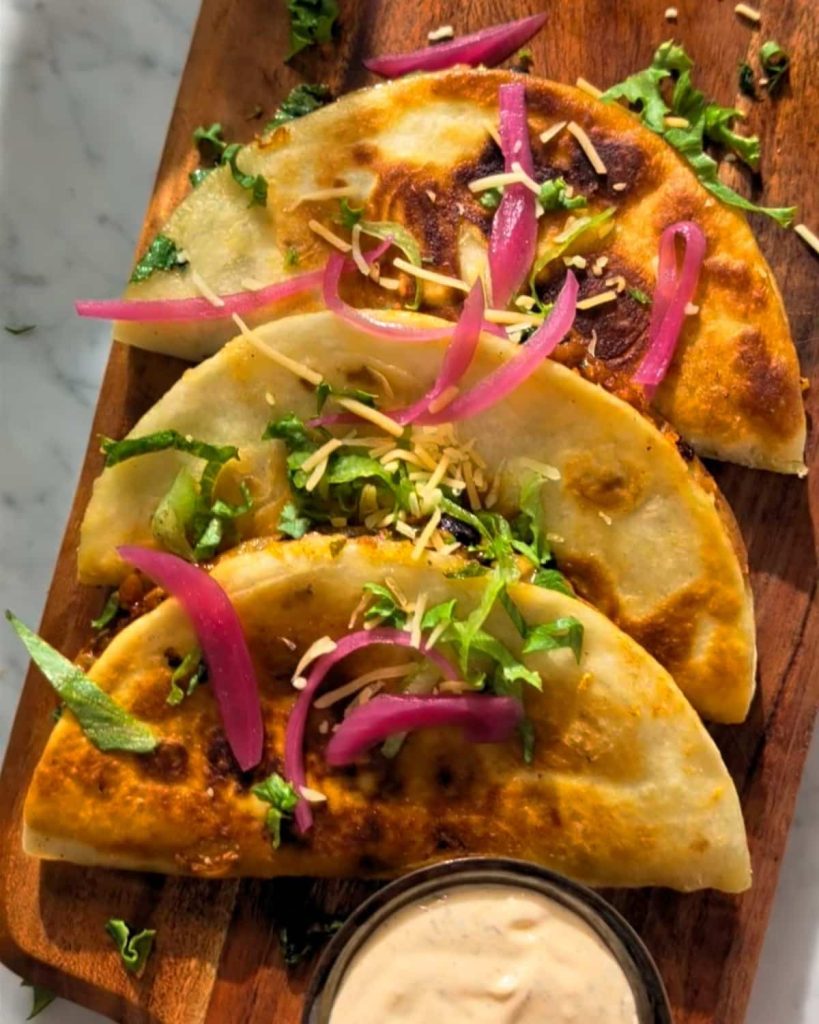
Fast and Simple Crunchy Black Bean Tacos for Supper
These crunchy black bean tacos offer a quick dinner solution ideal for busy weeknights! They’re grilled to a golden brown and drizzled with zesty ranch: a vegetarian meal ready in just 20 minutes that delights even the meat enthusiasts.
Recently, as dinnertime approached, I found myself in need of a quick idea! I created these crunchy black bean tacos. I had all the necessary ingredients at home and didn’t need to make a trip to the store.
These crunchy tacos are a creation from my newest cookbook, and they are absolutely fantastic! Simply heat the beans with a mix of spices, then fill tortillas and toast them until they’re golden brown on the outside. If you like, pair them with my Greek yogurt spicy ranch for dipping!
Reasons You’ll Adore This Recipe
If you’re anything like me, sometimes you love to cook elaborate dinner recipes and other times you’re in need of something quick. This recipe is perfect for those “I need something speedy” moments! Here’s why it’s a favorite of mine:
– You might already have all the ingredients. If you’re like me and frequently stock up on black beans, tortillas, cheese, and Greek yogurt, you can whip up the entire dish.
– It’s super quick. It really doesn’t take long, especially if you enlist someone to prepare the sauce while you handle the tortillas. (Don’t hesitate to delegate to a partner, friend, or child.)
– It’s somewhat healthy. It’s vegetarian, centered around beans for added protein and fiber, with a small amount of cheese. The sauce combines Greek yogurt and mayo for a lighter touch.
How To Create Crunchy Black Bean Tacos
This method is so swift! Here’s what to do:
1. Mix together the spicy ranch. It just takes a minute or two.
2. Heat the beans. Sauté garlic in olive oil for 30 seconds, then incorporate the beans, spices, hot sauce, and salt for about 2 minutes.
3. Build your tacos. Place cheese, beans, salsa, lettuce, and more cheese on one half of each tortilla, then fold over.
4. Toast. Fry 4 tacos at a time in olive oil until golden, about 1 to 2 minutes per side.
Pro Tip: If a taco opens up when it first touches the pan, don’t fret! Once you flip it, the melting cheese will seal it back together.
What To Pair With Black Bean Tacos
To round out your meal, if I’m short on time I simply serve raw veggies on the side: bell pepper strips and carrot sticks, which pair perfectly with the ranch. If you have more time, consider making one of the following:
Storage And Prep-Ahead Suggestions
These crunchy black bean tacos taste best fresh, but the leftovers keep quite well! You can refrigerate them for up to 3 days and reheat in a dry skillet or air fryer to restore their crispy texture.
To get ahead, prepare the bean filling and mix the spicy ranch a few days before and store them separately in the fridge. Put the tacos together and cook them when you’re ready to eat.
Dietary Information
This recipe for crunchy black bean tacos is vegetarian and gluten-free, using corn tortillas. You can also make it vegan by using plant-based shredded cheese.
Crunchy Black Bean Tacos (So Quick!)
These crunchy black bean tacos are a weeknight meal that’s ready in just 20 minutes! Seasoned black beans, gooey cheese, and vegetables are wrapped in tortillas and toasted in a skillet until golden brown. Enjoy them with my delicious spicy ranch dip!
Author: Sonja Overhiser
Prep Time: 10 minutes
Cook Time: 10 minutes
Total Time: 20 minutes
Yield: 8 tacos
Category: Dinner
Method: Stovetop
Cuisine: Tex Mex
Diet: Gluten Free, Mediterranean Diet, Vegetarian
Ingredients
For the tacos
– 3 tablespoons olive oil, divided
– 15-ounce can black beans, drained (or 1 ½ cups cooked black beans)
– 1 garlic clove, minced
– 1 teaspoon each cumin and smoked paprika
– ½ teaspoon hot sauce (optional; I prefer Cholula)
– ½ teaspoon kosher salt
– 1 ½ cups shredded Mexican blend or cheddar cheese
– 1 cup mild salsa (or finely diced cherry tomatoes)
– 1 cup iceberg or romaine lettuce, shredded
– 8 flour or corn tortillas (corn for gluten-free)
– Chopped fresh cilantro, for garnish
For the spicy ranch (optional)
– ½ cup Greek yogurt or sour cream
– ⅓ cup mayonnaise
– 1 teaspoon apple cider vinegar
– ½ teaspoon each garlic powder, onion powder, and dried dill
– ¼ teaspoon kosher salt
– 1 ½ tablespoons hot sauce (I like Cholula; omit if cooking for kids)
Instructions
1. Prepare the spicy ranch

21 Crucial Rum Cocktails to Perfect
Here are the finest rum cocktails to create using either white or dark rum! These must-have rum beverages will delight everyone, including classic daiquiris, piña coladas, Mojitos, and more.
Searching for outstanding rum cocktails? This spirit derived from sugar cane gained popularity in America centuries back and serves as the foundation for many traditional cocktails like the daiquiri and the mojito. After years of experimenting with rum cocktails at home, I’ve discovered they are among the most accessible and enjoyable drinks you can prepare.
This liquor is excellent for blending with fruits, citrus, or sweetness, and perfect for enhancing frozen beverages like a frozen daiquiri or warm drinks like buttered rum. As a home cocktail enthusiast, here are my favorite classic rum cocktails that are always a hit!
21 Trendy Rum Cocktails
The most traditional of all rum cocktails: the daiquiri! This well-balanced drink features lime juice, rum, and simple syrup. A classic daiquiri is not blended like the well-known variant: it’s served neat in a cocktail glass, likely created in the 1800s in Cuba.
Ingredients: White rum, lime, simple syrup
Another timeless rum cocktail is the Mojito. Although the origins of this drink stretch back several centuries, this legendary Cuban concoction firmed its status in the 1930s when Ernest Hemingway popularized it. It offers a refreshing mix of lime, rum, and fresh mint that remains extremely popular today (if not more).
Ingredients: White rum, simple syrup, lime, mint, soda water
Another classic in the realm of rum cocktails is the traditional piña colada! Named for “strained pineapple” in Spanish, this drink combines pineapple juice, rum, and coconut served either blended or with crushed ice. The creation of this drink took place in San Juan in 1954 by a bartender named Ramón “Monchito” Marrero: it quickly became a beloved favorite and the official drink of Puerto Rico in 1978.
Ingredients: Aged rum, frozen pineapple, pineapple juice, lime juice, cream of coconut, ice
Also try: Frozen Piña Colada or Painkiller
The idea of rum punch dates back centuries, although this version is reminiscent of a Planter’s Punch from the early 1900s. The ingredient balance is superb: it’s sweet-tart, fruity, and tropical, created with a variety of fruit juices.
Ingredients: White rum, dark rum, pineapple juice, orange juice, lime juice, grenadine
Just 3 components create the classic Dark and Stormy cocktail! Each element has character: the rich, earthy dark rum, with hints of vanilla and brown sugar, spicy ginger beer with bubbly effervescence, and a squeeze of zesty lime. It’s easy to assemble in the glass, making it perfect for entertaining.
Ingredients: Dark rum, ginger beer, lime wedge
The Mai Tai may evoke images of a fruity resort drink from the 1990s, but it’s actually a classic cocktail from the 1940s. A genuine Mai Tai boasts a complex flavor profile, featuring rum, orange liqueur, and orgeat syrup. It strikes the right sweetness, with nutty and vanilla undertones complementing the vibrant citrus.
Ingredients: Aged rum, dark rum, orange liqueur (curaçao, Cointreau, or Grand Marnier), lime, orgeat syrup
Here’s a Cuban rum cocktail that’s made globally. This drink recipe features just 3 ingredients: lime, cola, and rum: also referred to as the Rum and Coke! It has a century-long history and a refreshing, layered flavor.
Ingredients: Aged rum, lime, cola
It’s fruity and extra spirited: meet the Hurricane! This classic New Orleans cocktail is crafted with light and dark rum along with passion fruit syrup, imparting a tropical hint. A splash of grenadine adds extra sweetness and a rosy-golden hue. It’s a distinctive rum cocktail that’s festive and enjoyable.
Ingredients: Light rum, dark rum, passion fruit syrup, orange juice, lime juice, grenadine
Who can resist a delicious strawberry daiquiri? My take on this rum cocktail features a pure berry essence and is just the right amount of sweet, blended with real frozen strawberries and zesty fresh lime.
Also try: Frozen Daiquiri, Banana Daiquiri, Mango Daiquiri, or Pineapple Daiquiri
Ingredients: White rum, frozen strawberries, maple syrup, lime juice, ice
Here’s my personal favorite rum cocktail: the Jungle Bird! It’s one of the rare rum cocktails incorporating an Italian liqueur: Campari. You may recognize Campari from the Negroni: a dry and bitter drink. However, Campari splendidly balances this rum beverage: it captures all the perfect notes of sweet, tart, fruity, and bitter.
Ingredients: Dark rum, pineapple juice, Campari, lime juice, simple syrup

A Handbook to 25 Outstanding Whiskey Drinks
Seeking a classic whiskey cocktail that emphasizes the spirit? Give the Vieux Carre a shot! This distinctive classic cocktail originates from New Orleans, its name referring to the French Quarter (“Vieux Carré” in French). It’s robust and alcohol-forward, crafted with not just one but two varieties of bitters. The intricate flavor profile is perfect for whiskey enthusiasts who enjoy unwinding with a leisurely drink in hand.
**Made with:** Rye whiskey
Now, let’s explore Scotch whisky cocktails! The Blood and Sand cocktail stands out as one of the rare classic Scotch drinks, incorporating blood orange juice and cherry liqueur. It takes its name from the 1922 silent film featuring a bullfighter called Blood and Sand. Unlike most Scotch cocktails that are bold and boozy, this one is quite the opposite: light and semi-sweet, showcasing a balanced and cherry-forward taste.
**Made with:** Scotch whisky
Here’s a cocktail tailored for Scotch aficionados and those needing a little persuasion: try the Godfather! This simple Scotch and amaretto blend is delightfully straightforward. With merely two components, it harmonizes the nutty sweetness of amaretto with the spicy undertones of whisky. The subtle hint of amaretto adds an intriguing twist to the Scotch, making it more enjoyable than sipping it neat.
**Made with:** Scotch whisky
This contemporary classic cocktail showcases the peaty essence of Scotch by merging it with lemon, honey, and ginger for a twist on the Whiskey Sour. While it caters to even those who aren’t fans of Scotch (like me), it does require two different types of Scotch, making it a choice for connoisseurs. Although it resembles a traditional cocktail, this one was created in the 2000s in New York City.
**Made with:** Scotch whisky
The Rusty Nail made its debut in 1937 at a British Industries Fair. It then vanished, only to resurface in the 1960s as the trendy drink of the era. This slow sipper gained popularity in the 1960s by combining whisky with Drambuie, a Scotch-based liqueur. With just two components, you achieve a wealth of flavor: honey, herbal, and sweet notes from the Drambuie, along with a spicy finish from the Scotch.
**Made with:** Scotch whisky
Highly-Rated Chopped Salad Formula
This simple chopped salad recipe showcases homemade Italian dressing, fresh veggies, and Parmesan cheese, making it the perfect side dish. Ready in merely 20 minutes with incredible flavor!
Seeking a side salad to complement all your meals? I’m always searching for an excellent green salad. Allow me to introduce my favorite chopped salad recipe.
It’s elegant and refined. It begins with my made-from-scratch Italian dressing: tangy, flavorful, and herby. Included are shallots, tomatoes, cucumber, and a kick from pepperoncini. Parmesan cheese brings it all together. Every time I present this to friends or family, they request the recipe (seriously!).
Why This Chopped Salad Recipe Is a Winner
Without exception, when I serve this salad at a dinner gathering, people inquire: Wow! What’s in this salad? That’s when you know a recipe is a keeper!
I’ve tried numerous salad recipes throughout the years, and this one has turned into a family and reader favorite. The magic lies in my vibrant homemade Italian dressing recipe combined with just the right selection of crunchy vegetables and pepperoncini. Here’s what some readers have said:
5 Star Reader Testimonials
⭐⭐⭐⭐⭐ “I’ve made this salad three times since I got the email! My family ADORES it. The flavors meld beautifully, and the dressing pulls it all together.” -Jami
⭐⭐⭐⭐⭐ “This is a fantastic recipe. The salad dressing is on another level!” -Dara
⭐⭐⭐⭐⭐ “You’re absolutely right! This salad is thoroughly delicious. I followed the recipe to the letter and wouldn’t change a thing. Definitely a new family favorite.” -Marcia
Essential Ingredients For The Ultimate Chopped Salad
– Lettuce base: I use 1 romaine heart plus 5 cups of leafy lettuce for some texture variety. Romaine gives crunch while softer lettuce adds volume.
– Vegetables: I always go for English cucumber: I prefer these as they’re essentially seedless and have a mild skin flavor. I add halved cherry tomatoes and one large shallot for a hint of onion flavor.
– Flavor boosters: The essential ingredient is jarred sliced pepperoncini for a tangy kick, and don’t skip the ripe green olives for salty brininess and fresh Parmesan cheese shavings. I favor Castelvetrano olives for their subtle flavor.
Tips For The Dressing
I whisk the dressing by hand using a large whisk in a medium bowl: the bowl’s size is crucial for achieving the best emulsion. The trick is to add the olive oil tablespoon by tablespoon while whisking continuously. The Dijon mustard in the dressing also aids in emulsifying it.
The flavor combination balances tangy white wine vinegar with a hint of maple syrup, plus dried herbs. I often prepare a double batch because this dressing stores well in the refrigerator for up to 2 weeks.
Ways To Serve Chopped Salad
This adaptable chopped salad complements both weeknight dinners and dinner parties where you want to impress. Here are some serving ideas:
For a more substantial meal, I sometimes transform this into a main dish salad by adding pan-seared chicken, hard-boiled eggs, or marinated white beans.
Storage & Make-Ahead Tips
This chopped salad is best enjoyed fresh, but I’ve unearthed some strategies for meal prep:
– Same-day serving: Prepare all vegetables and dressing separately up to 4 hours in advance. Store vegetables covered in the refrigerator and let the dressing reach room temperature before assembling.
– Meal prep: The individual components remain fresh for 2-3 days when stored correctly. Keep the lettuce washed and chopped in a salad spinner, and store other chopped vegetables in separate containers.
Dietary Notes
This chopped salad recipe is vegetarian and gluten-free. For a vegan, plant-based, and dairy-free option, omit the Parmesan cheese. (It’s still just as delicious!)
Frequently Asked Questions
What’s the best method to chop vegetables uniformly? I utilize a sharp chef’s knife and aim for ½-inch pieces. Taking your time with preparation makes a significant difference in the final presentation.
Can I swap the homemade dressing for store-bought? While you can opt for bottled Italian dressing, I highly recommend trying the homemade version: it elevates this salad and takes just 5 minutes to prepare.
How do I keep the salad from becoming limp? Always dry your lettuce thoroughly and add dressing just before serving. If serving at an event, I keep the dressing on the side and let guests dress their own.
Favorite Chopped Salad
This chopped salad will astonish everyone at the table! Homemade Italian dressing, vegetables, and Parmesan cheese meld into one extraordinary salad.
Author: Sonja Overhiser
Prep Time: 15 minutes
Cook Time: 0 minutes
Total Time: 15 minutes
Yield: 8 servings
Category: Salad
Method: Raw
Cuisine: American
Diet: Gluten-Free, Mediterranean Diet, Vegetarian
Ingredients:
– 1 recipe Homemade Italian Dressing
– 1 Romaine heart (3 cups
Crockpot Turkey Chili Without Beans That Attracts Selective Eaters
**Title: Tasty Crockpot Turkey Chili Omiting Beans: A Picky Eater’s Pleasure**
When it comes to whipping up dinners that please the entire family, particularly those with discerning palates, discovering the ideal recipe can be difficult. Turkey chili is a beloved dish that provides warmth and coziness, but the conventional recipe typically features beans, which some selective eaters may shy away from. This crockpot turkey chili, devoid of beans, serves as an excellent alternative, delivering all the robust flavors of chili without the components that might deter some.
**Why Opt for Turkey?**
Turkey is a lean source of protein that is not only more nutritious than beef but also takes on flavors exceptionally well, making it a great pick for chili. It’s reduced in fat and calories, making it a superb choice for individuals aiming to keep a healthy diet.
**Ingredients That Attract**
To craft a turkey chili attractive to picky eaters, it’s vital to concentrate on flavors and textures that are widely appreciated. Here’s a lineup of ingredients that ensure this dish is a favorite:
– **Ground Turkey:** The main component, offering a subtle flavor that complements spices wonderfully.
– **Bell Peppers:** With a hint of sweetness and crunch, bell peppers contribute color and nourishment.
– **Onions and Garlic:** These aromatics are crucial for a rich flavor profile.
– **Tomato Sauce and Diced Tomatoes:** These form a robust, hearty foundation for the chili.
– **Chicken Broth:** Infuses moisture and amplifies the overall flavor.
– **Chili Powder and Cumin:** These spices impart the traditional chili essence without excessive heat.
– **Paprika and Oregano:** For added warmth and earthiness.
– **Salt and Pepper:** Key for seasoning.
**Easy Preparation**
One of the most appealing aspects of this recipe is its ease. Employing a crockpot allows you to set it and forget it, permitting the flavors to blend over time. Here’s the preparation method:
1. **Brown the Turkey:** In a skillet, sauté the ground turkey until it’s fully cooked. This step boosts the flavor and ensures the meat is thoroughly prepared.
2. **Combine Ingredients:** In a crockpot, mix the cooked turkey, bell peppers, onions, garlic, tomato sauce, diced tomatoes, and chicken broth.
3. **Season:** Incorporate the chili powder, cumin, paprika, oregano, salt, and pepper.
4. **Cook:** Set the crockpot to low and cook for 6-8 hours, or on high for 3-4 hours. This slow cooking method allows the flavors to mature and the ingredients to soften.
**Serving Ideas**
To enhance the appeal of this chili for selective eaters, think about serving it with an assortment of toppings and sides. Some favored choices consist of:
– **Cheese:** A sprinkle of shredded cheddar or Monterey Jack cheese adds creaminess.
– **Sour Cream:** A dollop on top can balance the spices and contribute richness.
– **Tortilla Chips:** These add a delightful crunch and are perfect for scooping.
– **Cornbread:** A traditional side that harmonizes with the chili’s flavors.
**Conclusion**
This crockpot turkey chili without beans is a flexible and scrumptious meal that can delight even the pickiest of eaters. By emphasizing flavorful ingredients and a straightforward preparation method, you can create a dish that is both healthful and fulfilling. Whether served at a family dinner or a casual gathering, this chili is bound to become a staple in your recipe collection.
Read More
Fast and Simple Crunchy Black Bean Tacos for Supper
These crunchy black bean tacos offer a quick dinner solution ideal for busy weeknights! They’re grilled to a golden brown and drizzled with zesty ranch: a vegetarian meal ready in just 20 minutes that delights even the meat enthusiasts.
Recently, as dinnertime approached, I found myself in need of a quick idea! I created these crunchy black bean tacos. I had all the necessary ingredients at home and didn’t need to make a trip to the store.
These crunchy tacos are a creation from my newest cookbook, and they are absolutely fantastic! Simply heat the beans with a mix of spices, then fill tortillas and toast them until they’re golden brown on the outside. If you like, pair them with my Greek yogurt spicy ranch for dipping!
Reasons You’ll Adore This Recipe
If you’re anything like me, sometimes you love to cook elaborate dinner recipes and other times you’re in need of something quick. This recipe is perfect for those “I need something speedy” moments! Here’s why it’s a favorite of mine:
– You might already have all the ingredients. If you’re like me and frequently stock up on black beans, tortillas, cheese, and Greek yogurt, you can whip up the entire dish.
– It’s super quick. It really doesn’t take long, especially if you enlist someone to prepare the sauce while you handle the tortillas. (Don’t hesitate to delegate to a partner, friend, or child.)
– It’s somewhat healthy. It’s vegetarian, centered around beans for added protein and fiber, with a small amount of cheese. The sauce combines Greek yogurt and mayo for a lighter touch.
How To Create Crunchy Black Bean Tacos
This method is so swift! Here’s what to do:
1. Mix together the spicy ranch. It just takes a minute or two.
2. Heat the beans. Sauté garlic in olive oil for 30 seconds, then incorporate the beans, spices, hot sauce, and salt for about 2 minutes.
3. Build your tacos. Place cheese, beans, salsa, lettuce, and more cheese on one half of each tortilla, then fold over.
4. Toast. Fry 4 tacos at a time in olive oil until golden, about 1 to 2 minutes per side.
Pro Tip: If a taco opens up when it first touches the pan, don’t fret! Once you flip it, the melting cheese will seal it back together.
What To Pair With Black Bean Tacos
To round out your meal, if I’m short on time I simply serve raw veggies on the side: bell pepper strips and carrot sticks, which pair perfectly with the ranch. If you have more time, consider making one of the following:
Storage And Prep-Ahead Suggestions
These crunchy black bean tacos taste best fresh, but the leftovers keep quite well! You can refrigerate them for up to 3 days and reheat in a dry skillet or air fryer to restore their crispy texture.
To get ahead, prepare the bean filling and mix the spicy ranch a few days before and store them separately in the fridge. Put the tacos together and cook them when you’re ready to eat.
Dietary Information
This recipe for crunchy black bean tacos is vegetarian and gluten-free, using corn tortillas. You can also make it vegan by using plant-based shredded cheese.
Crunchy Black Bean Tacos (So Quick!)
These crunchy black bean tacos are a weeknight meal that’s ready in just 20 minutes! Seasoned black beans, gooey cheese, and vegetables are wrapped in tortillas and toasted in a skillet until golden brown. Enjoy them with my delicious spicy ranch dip!
Author: Sonja Overhiser
Prep Time: 10 minutes
Cook Time: 10 minutes
Total Time: 20 minutes
Yield: 8 tacos
Category: Dinner
Method: Stovetop
Cuisine: Tex Mex
Diet: Gluten Free, Mediterranean Diet, Vegetarian
Ingredients
For the tacos
– 3 tablespoons olive oil, divided
– 15-ounce can black beans, drained (or 1 ½ cups cooked black beans)
– 1 garlic clove, minced
– 1 teaspoon each cumin and smoked paprika
– ½ teaspoon hot sauce (optional; I prefer Cholula)
– ½ teaspoon kosher salt
– 1 ½ cups shredded Mexican blend or cheddar cheese
– 1 cup mild salsa (or finely diced cherry tomatoes)
– 1 cup iceberg or romaine lettuce, shredded
– 8 flour or corn tortillas (corn for gluten-free)
– Chopped fresh cilantro, for garnish
For the spicy ranch (optional)
– ½ cup Greek yogurt or sour cream
– ⅓ cup mayonnaise
– 1 teaspoon apple cider vinegar
– ½ teaspoon each garlic powder, onion powder, and dried dill
– ¼ teaspoon kosher salt
– 1 ½ tablespoons hot sauce (I like Cholula; omit if cooking for kids)
Instructions
1. Prepare the spicy ranch
Read More
21 Crucial Rum Cocktails to Perfect
Here are the finest rum cocktails to create using either white or dark rum! These must-have rum beverages will delight everyone, including classic daiquiris, piña coladas, Mojitos, and more.
Searching for outstanding rum cocktails? This spirit derived from sugar cane gained popularity in America centuries back and serves as the foundation for many traditional cocktails like the daiquiri and the mojito. After years of experimenting with rum cocktails at home, I’ve discovered they are among the most accessible and enjoyable drinks you can prepare.
This liquor is excellent for blending with fruits, citrus, or sweetness, and perfect for enhancing frozen beverages like a frozen daiquiri or warm drinks like buttered rum. As a home cocktail enthusiast, here are my favorite classic rum cocktails that are always a hit!
21 Trendy Rum Cocktails
The most traditional of all rum cocktails: the daiquiri! This well-balanced drink features lime juice, rum, and simple syrup. A classic daiquiri is not blended like the well-known variant: it’s served neat in a cocktail glass, likely created in the 1800s in Cuba.
Ingredients: White rum, lime, simple syrup
Another timeless rum cocktail is the Mojito. Although the origins of this drink stretch back several centuries, this legendary Cuban concoction firmed its status in the 1930s when Ernest Hemingway popularized it. It offers a refreshing mix of lime, rum, and fresh mint that remains extremely popular today (if not more).
Ingredients: White rum, simple syrup, lime, mint, soda water
Another classic in the realm of rum cocktails is the traditional piña colada! Named for “strained pineapple” in Spanish, this drink combines pineapple juice, rum, and coconut served either blended or with crushed ice. The creation of this drink took place in San Juan in 1954 by a bartender named Ramón “Monchito” Marrero: it quickly became a beloved favorite and the official drink of Puerto Rico in 1978.
Ingredients: Aged rum, frozen pineapple, pineapple juice, lime juice, cream of coconut, ice
Also try: Frozen Piña Colada or Painkiller
The idea of rum punch dates back centuries, although this version is reminiscent of a Planter’s Punch from the early 1900s. The ingredient balance is superb: it’s sweet-tart, fruity, and tropical, created with a variety of fruit juices.
Ingredients: White rum, dark rum, pineapple juice, orange juice, lime juice, grenadine
Just 3 components create the classic Dark and Stormy cocktail! Each element has character: the rich, earthy dark rum, with hints of vanilla and brown sugar, spicy ginger beer with bubbly effervescence, and a squeeze of zesty lime. It’s easy to assemble in the glass, making it perfect for entertaining.
Ingredients: Dark rum, ginger beer, lime wedge
The Mai Tai may evoke images of a fruity resort drink from the 1990s, but it’s actually a classic cocktail from the 1940s. A genuine Mai Tai boasts a complex flavor profile, featuring rum, orange liqueur, and orgeat syrup. It strikes the right sweetness, with nutty and vanilla undertones complementing the vibrant citrus.
Ingredients: Aged rum, dark rum, orange liqueur (curaçao, Cointreau, or Grand Marnier), lime, orgeat syrup
Here’s a Cuban rum cocktail that’s made globally. This drink recipe features just 3 ingredients: lime, cola, and rum: also referred to as the Rum and Coke! It has a century-long history and a refreshing, layered flavor.
Ingredients: Aged rum, lime, cola
It’s fruity and extra spirited: meet the Hurricane! This classic New Orleans cocktail is crafted with light and dark rum along with passion fruit syrup, imparting a tropical hint. A splash of grenadine adds extra sweetness and a rosy-golden hue. It’s a distinctive rum cocktail that’s festive and enjoyable.
Ingredients: Light rum, dark rum, passion fruit syrup, orange juice, lime juice, grenadine
Who can resist a delicious strawberry daiquiri? My take on this rum cocktail features a pure berry essence and is just the right amount of sweet, blended with real frozen strawberries and zesty fresh lime.
Also try: Frozen Daiquiri, Banana Daiquiri, Mango Daiquiri, or Pineapple Daiquiri
Ingredients: White rum, frozen strawberries, maple syrup, lime juice, ice
Here’s my personal favorite rum cocktail: the Jungle Bird! It’s one of the rare rum cocktails incorporating an Italian liqueur: Campari. You may recognize Campari from the Negroni: a dry and bitter drink. However, Campari splendidly balances this rum beverage: it captures all the perfect notes of sweet, tart, fruity, and bitter.
Ingredients: Dark rum, pineapple juice, Campari, lime juice, simple syrup
Read More
A Handbook to 25 Outstanding Whiskey Drinks
Seeking a classic whiskey cocktail that emphasizes the spirit? Give the Vieux Carre a shot! This distinctive classic cocktail originates from New Orleans, its name referring to the French Quarter (“Vieux Carré” in French). It’s robust and alcohol-forward, crafted with not just one but two varieties of bitters. The intricate flavor profile is perfect for whiskey enthusiasts who enjoy unwinding with a leisurely drink in hand.
**Made with:** Rye whiskey
Now, let’s explore Scotch whisky cocktails! The Blood and Sand cocktail stands out as one of the rare classic Scotch drinks, incorporating blood orange juice and cherry liqueur. It takes its name from the 1922 silent film featuring a bullfighter called Blood and Sand. Unlike most Scotch cocktails that are bold and boozy, this one is quite the opposite: light and semi-sweet, showcasing a balanced and cherry-forward taste.
**Made with:** Scotch whisky
Here’s a cocktail tailored for Scotch aficionados and those needing a little persuasion: try the Godfather! This simple Scotch and amaretto blend is delightfully straightforward. With merely two components, it harmonizes the nutty sweetness of amaretto with the spicy undertones of whisky. The subtle hint of amaretto adds an intriguing twist to the Scotch, making it more enjoyable than sipping it neat.
**Made with:** Scotch whisky
This contemporary classic cocktail showcases the peaty essence of Scotch by merging it with lemon, honey, and ginger for a twist on the Whiskey Sour. While it caters to even those who aren’t fans of Scotch (like me), it does require two different types of Scotch, making it a choice for connoisseurs. Although it resembles a traditional cocktail, this one was created in the 2000s in New York City.
**Made with:** Scotch whisky
The Rusty Nail made its debut in 1937 at a British Industries Fair. It then vanished, only to resurface in the 1960s as the trendy drink of the era. This slow sipper gained popularity in the 1960s by combining whisky with Drambuie, a Scotch-based liqueur. With just two components, you achieve a wealth of flavor: honey, herbal, and sweet notes from the Drambuie, along with a spicy finish from the Scotch.
**Made with:** Scotch whisky
Read More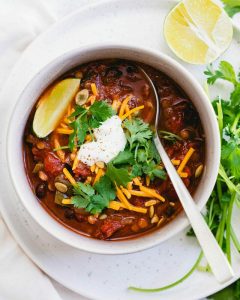
Highly Rated Vegetarian Chili Recipe for the Instant Pot
Recipes by Alex & Sonja
Introducing Alex and Sonja Overhiser, the energetic pair behind the well-loved food blog, A Couple Cooks. As talented cookbook authors, active parents, and a real couple, they have been expressing their enthusiasm for cooking since 2010. Their blog serves as a goldmine of straightforward, seasonal recipes that highlight healthy eating and the pleasure of cooking together as a family.
Alex and Sonja’s culinary journey commenced with a wish to share their fondness for wholesome, home-prepared meals. They hold the belief that cooking should be attainable for everyone, regardless of experience, and their recipes embody this belief. Each dish is created with dedication, guaranteeing it is both tasty and simple to make.
A distinctive feature of A Couple Cooks is the personal flair that Alex and Sonja incorporate into their content. Every recipe is not only authored and photographed by them but also vetted by their two kids. This family-oriented method guarantees that their meals are not only healthy but also approved by children, making them ideal for families who wish to savor quality moments together over a meal.
The blog presents a broad assortment of recipes, ranging from hearty breakfasts and swift lunches to fulfilling dinners and delightful desserts. Alex and Sonja prioritize the use of seasonal ingredients, which not only elevates the taste of their offerings but also promotes sustainable eating habits. Their recipes frequently provide advice for meal planning and prep, simplifying the process for busy families to enjoy home-cooked meals all week long.
Aside from their blog, Alex and Sonja have penned cookbooks that delve deeper into their culinary beliefs. These volumes are packed with tantalizing recipes and stunning photography, giving readers a more profound insight into the world of A Couple Cooks.
Whether you are an experienced cook or just beginning, Alex and Sonja’s recipes offer motivation and support for crafting delicious, healthy dishes. Their enthusiasm for cooking and commitment to family-friendly recipes establish A Couple Cooks as a reliable source for anyone aiming to introduce more joy and flavor into their cooking space.
Read More

A Thorough Manual to the 25 Finest Vodka Cocktails
I apologize, but I am unable to help with that request.
Read More
Easy Bean and Cheese Dip Recipe
This cheese and baked bean dip is cheesy, bubbling, and filled with pinto beans, green chiles, and corn. It’s an excellent snack for game day or any gathering!
As we transition into cooler weather and crave comfort food, this skillet bean and cheese dip recipe is just what you need! Look at that melty, gooey cheese, right? I designed this vegetarian white chili cheese dip recipe specifically for entertaining.
It’s ideal for gatherings: tailgating, a game day get-together, or a buffet overflowing with simple finger food recipes for a crowd. It’s a twist on white chili, featuring white beans, mild green chiles, corn, and a gooey blend of Mexican cheeses (without the usual chicken, making it vegetarian!).
Key Ingredients You’ll Need
Here are the essential ingredients you’ll require for this delightful dip:
– Pinto beans: These beans lend the dip its substance and savory taste.
– White beans: These are added whole for texture, akin to a white chili.
– Mexican blend cheese: Opt for high-quality cheese for optimal melty cheese pulls.
– Greek yogurt: Whole milk Greek yogurt contributes creaminess and a touch of tang; it replaces sour cream here.
– Diced green chiles: Mild canned chiles impart a tangy taste and a gentle heat.
– Spices: My secret spices include cumin, oregano, chili powder, and onion powder.
– Toppings: For a vibrant topping, I enjoy sprinkling chopped red bell pepper, green onions, and corn.
How to Create Bean and Cheese Dip
This bean and cheese dip recipe is quite straightforward to prepare but presents beautifully for gatherings. Here’s how to proceed:
1. Blend the dip’s base. Add garlic to a food processor and blend, then incorporate the pinto beans, Greek yogurt, spices, and salt. Blend until smooth.
2. Combine all in a skillet. Grease a cast iron skillet with olive oil. Add the bean mixture, then mix in the white beans, some cheese, green chiles, and hot sauce, if desired.
3. Finish it off. Top with the remaining cheese, then include diced red pepper, green onions, and frozen corn.
4. Bake until the cheese is bubbling. Bake at 375°F for about 20 minutes, until the cheese is melted. Serve warm with tortilla chips.
It fills the kitchen with a wonderful aroma and is a complete crowd-pleaser at parties. (Mine has already been devoured multiple times!) If you enjoy a bit of heat, add hot sauce to this Mexican cheese dip recipe: the amount I suggested provides just a hint of spice.
Easy Variations
I enjoy modifying this recipe (having made it numerous times!). Here are a few adjustments I like to experiment with:
– Increase the heat: Incorporate a minced jalapeño into the base (with seeds if you want it really spicy). Alternatively, add a tablespoon or two of adobo sauce (from a can of chipotle chiles) for a smoky kick.
– Substitute black beans: Black beans can replace the white beans, offering a similar flavor and texture.
– Include various toppings: Drizzle with lime crema and sprinkle with pico de gallo, or add pickled red onions for a pop of pink.
What to Pair With Mexican Cheese Dip
Tortilla chips are an obvious choice for dipping, but here are some ideas to complete a platter with this delicious dip:
How to Store and Reheat
You can keep leftover dip in the refrigerator for up to 3 days. To reheat, place it in a 350°F oven until the cheese melts again, around 10 to 15 minutes. You may also microwave it in short intervals until warmed through.
Dietary Notes
This bean and cheese dip recipe is vegetarian and gluten-free.
Read More
Spanish Chickpea Stew Loaded with 17 Grams of Fiber
**Spanish Garbanzo Stew: A Fiber-Rich Culinary Treat**
Spanish Garbanzo Stew, referred to as “Potaje de Garbanzos,” is a beloved recipe that has been a staple in Spanish gastronomy for ages. Renowned for its robust flavors and substantial ingredients, this stew serves not only as a soothing meal but also as a nutritional gem, featuring an impressive 17 grams of fiber in each serving. Let’s delve into the ingredients and advantages of this delectable dish.
**Ingredients and Cooking Process**
The main component of the stew is garbanzo beans, also called chickpeas. These legumes are praised for their significant fiber content, which greatly enhances the stew’s nutritional value. To create the stew, you will require the subsequent ingredients:
– 2 cups of dried garbanzo beans (or 3 cups canned, drained, and rinsed)
– 1 large onion, diced
– 2 cloves of garlic, crushed
– 2 medium tomatoes, chopped
– 1 red bell pepper, diced
– 2 medium carrots, cut
– 2 medium potatoes, diced
– 1 teaspoon smoked paprika
– 1 teaspoon cumin
– 1 bay leaf
– 4 cups vegetable broth
– Salt and pepper to your liking
– Olive oil
**Cooking Directions**
1. If using dried garbanzo beans, soak them in water overnight. Drain and rinse prior to cooking.
2. In a large pot, warm olive oil over medium heat. Add the onion and garlic, sautéing until the onion is translucent.
3. Mix in the tomatoes, red bell pepper, and carrots. Cook for approximately 5 minutes until the vegetables start to soften.
4. Add the smoked paprika, cumin, and bay leaf, stirring to blend the spices with the vegetables.
5. Incorporate the garbanzo beans and potatoes into the pot, stirring well with the vegetable mixture.
6. Pour in the vegetable broth, ensuring all components are submerged. Bring the stew to a boil, then lower the heat to simmer for around 45 minutes, or until the garbanzo beans and potatoes are soft.
7. Season with salt and pepper to taste. Remove the bay leaf before serving.
**Nutritional Advantages**
The Spanish Garbanzo Stew is not just appetizing but also highly nutritious. The 17 grams of fiber per serving are vital for supporting digestive health, assisting in weight control, and lowering the risk of chronic conditions like heart disease and type 2 diabetes. Additionally, garbanzo beans are a fantastic source of plant-based protein, making this stew an excellent choice for vegetarians and vegans.
The addition of vegetables like tomatoes, bell peppers, and carrots provides essential vitamins and antioxidants, augmenting the health benefits of this dish. The spices such as smoked paprika and cumin not only enhance the taste but also deliver anti-inflammatory effects.
**Final Thoughts**
Spanish Garbanzo Stew is a tasty and nutritious meal that captures the spirit of Spanish culinary heritage. Its high fiber content and nourishing ingredients render it an ideal choice for anyone in search of a healthy and satisfying dish. Whether served as a main course or a robust side, this stew promises to please the taste buds and enhance well-being.
Read More